

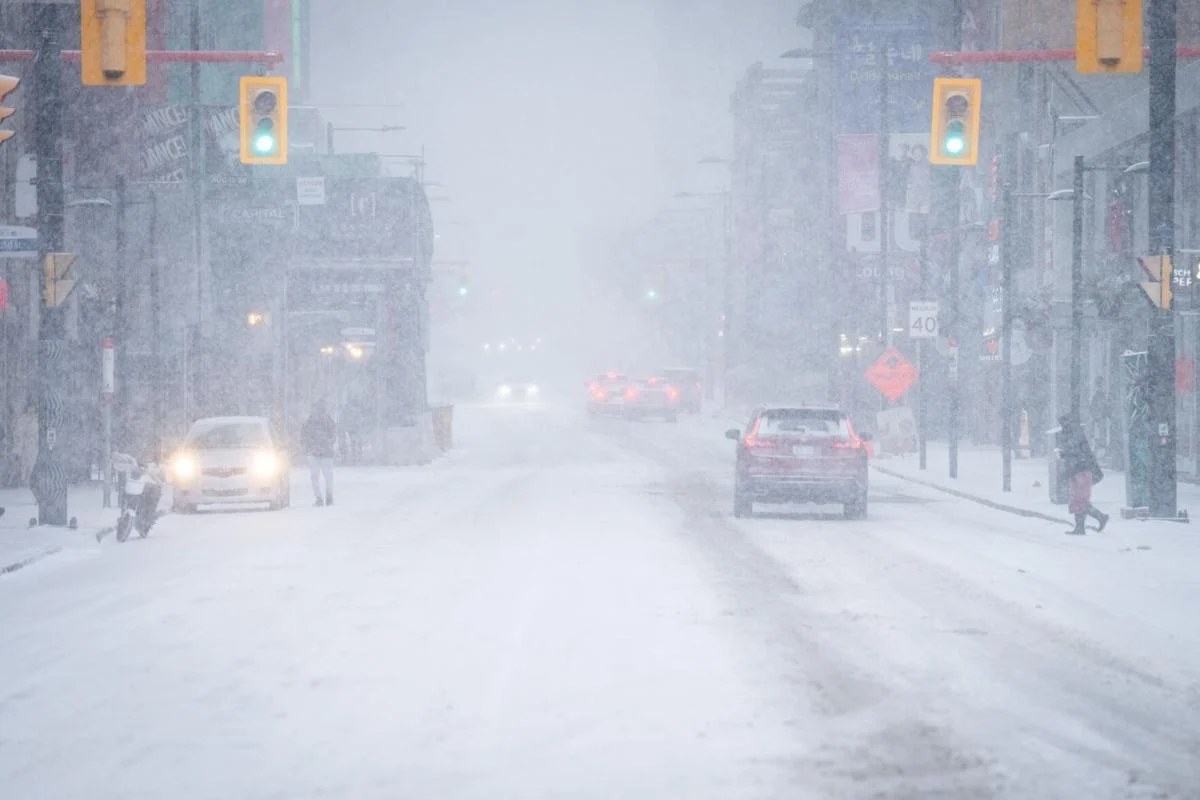
Every winter, David Lepofsky races through Toronto’s freezing cold by walking at top speed to reach his destination. But this season’s brutal weather – prolonged deep freezes and a record Sunday snowfall dumping over 50 centimetres has made that impossible and far too risky.
The 68-year-old retired lawyer, blindness advocate, and part-time professor of disability rights says ice- and snow-packed roads and sidewalks prevent him from moving quickly or safely.
“I understand clearing that much snow in a big city is tough,” Lepofsky told CBC News. “But if shoveling piles up mountains blocking safe paths from our homes to the street – or to grab an Uber – it is a massive issue. ” Normally, his wife asks him to fetch groceries from a nearby store, but now he must refuse: “Even a partially shoveled route ends when you hit one snowbank. Nobody wants a broken hip later in life – that can be fatal.”
Lepofsky chairs the AODA Alliance, a volunteer coalition pushing for full implementation of Ontario’s Accessibility for Ontarians with Disabilities Act (AODA). He also hosts a disability rights podcast. Under AODA, he notes, the province must set municipal standards to shield people with mobility challenges from severe weather – but has not yet.
Rabia Khedr, national director of Disability Without Poverty, agrees. “AODA demands barrier-free public spaces and built environments,” she said. “But we have not identified every barrier, especially for emergencies like this. “Snow-choked roads hit isolated disabled people hardest, she added, as caregivers cannot always reach homes or driveways.
Khedr, who is also blind, described the navigation nightmare: “I rely on hearing, feeling, and touching. A blanket of snow changes everything – especially this volume. Uncleared paths make it impossible to find your way.”
She urges cities to prioritize accessibility in storms, perhaps with paid snow-removal programs for disabled residents’ driveways and paths at reasonable fees.
Toronto expects multi-day cleanup from Sunday’s storm and asks for patience. After backlash over 2025’s heavy snow response, officials pledged more proactive efforts.
Lepofsky calls snow chaos a “nightmare for everyone,” but life-threatening for disabled people needing food, meds, or medical visits. Solutions? Register disability addresses for priority plowing, and urge property owners to fully clear sidewalks for neighbours.
Aging causes most disabilities, he reminds: “If you do not have one now, you will later. Poor handling hurts the majority – eventually everyone.”