
Please introduce yourself.
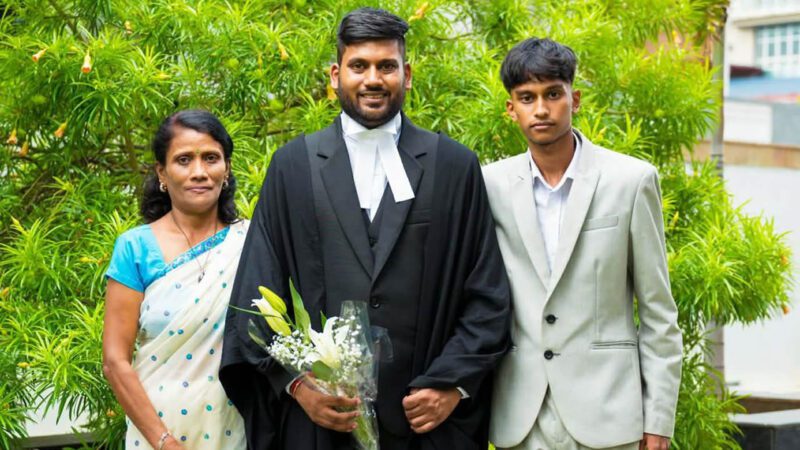
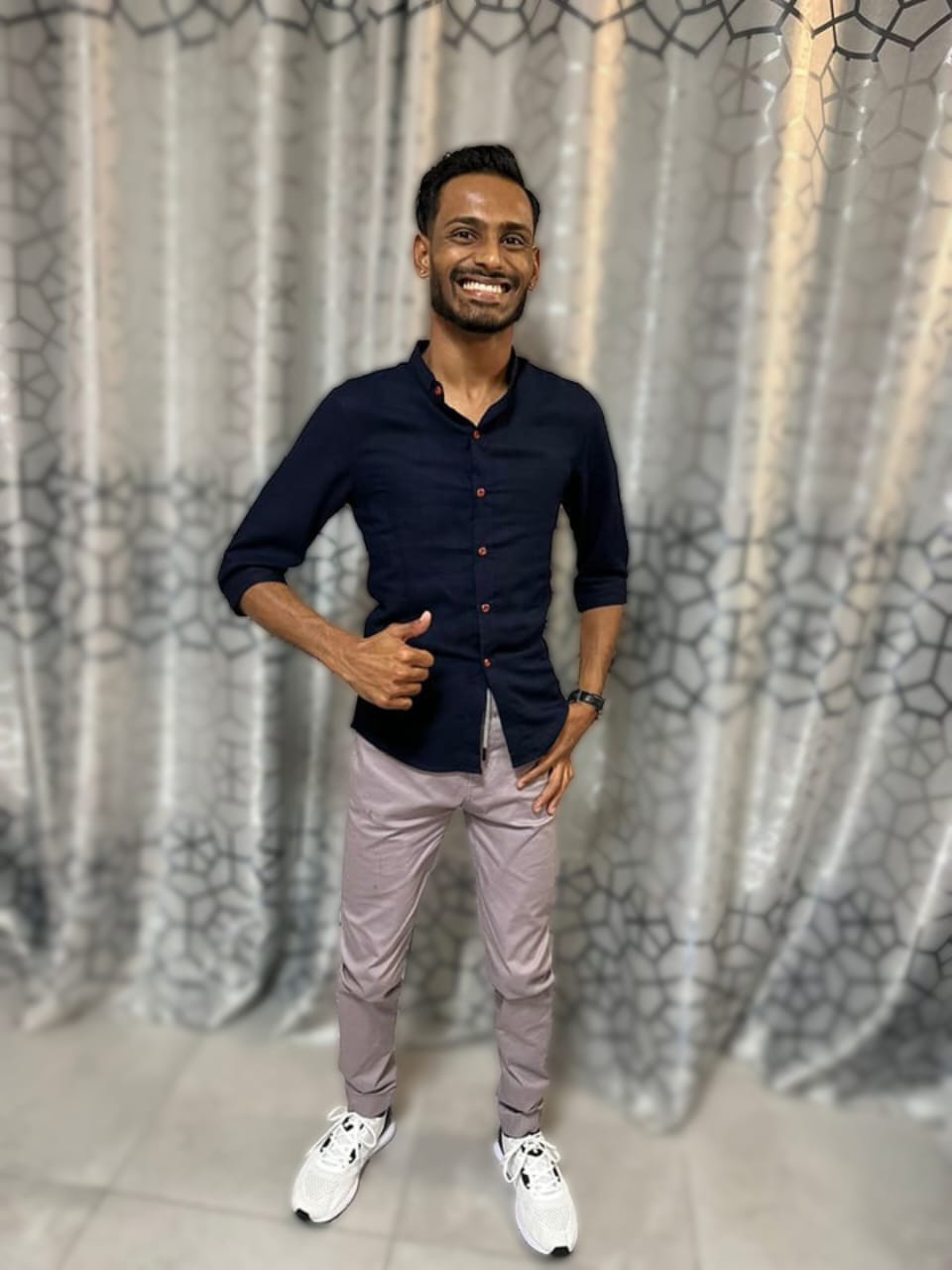
I am Vibhesh Santoo, 27 years old and residing at La Marie, Vacoas. I have cerebral palsy; that is, I have a minor physical disability since birth. It means I have a little difficulty walking and some slight spasticity in my hands. It doesn’t cause me any pain and doesn’t affect my daily life.
How does your disability affect your day-to-day life?
The way my disability affects my day-to-day life is quite minimal, largely because I am completely independent and capable of doing everything on my own. While I do have some slight difficulty with walking and certain mobility movements which are simply a physical difference I have lived with since birth, it does not stop me from managing my routines, working, or engaging in activities without needing help. For me, my slight mobility difference means I might move or navigate in a specific way, but it never actually limits my functional capacity or my ability to live a full and independent life.
What are the biggest challenges you face in your daily activities?
The biggest problems I face are outside of my home and they are very serious. Because some people in my area let their dogs run outside without a leash, I am often chased by dogs when I am trying to walk to the bus stop or my house.
Beyond the physical environment, dealing with misconceptions and assumptions from others who might focus on my disability rather than my independence can also be a challenge, though I quickly show them I am fully capable.
How do you overcome obstacles related to your disability?
I get over obstacles by relying on myself and finding smart ways to do things. Since I do not need help, I use my own strengths to manage my slight mobility issue. This means I choose easy paths when walking, I plan my day, so I do not get too tired, and I am patient with myself. The most important tool I use is my positive outlook: I see my disability as part of who I am, not as a wall that stops me. This helps me face any challenge and keep living my life the way I want to.
Do you feel society understands the needs of persons with disabilities?
I feel that society in Mauritius still has much work to do before it fully understands the needs of all persons with disabilities. A key issue is that there are not enough resources for those who cannot easily leave their homes. We need more transport services that are accessible, and more educational options like proper schools and facilities for people with disabilities, especially for those with autism. Leaving people at home is not the answer. Also, even in 2025, many people in Mauritius still do not understand what autism is, so we urgently need better awareness campaigns to educate the public. True understanding means providing the practical help and knowledge needed for everyone to participate fully in society.
What profession or job do you currently have, and how did you choose it?
In my professional world, I am reliable, independent, confident, and have good communication skills who are able to engage and get along with a wide range of people. I have a strong imagination, artistic vision, creative skills, audiovisual skills, graphic design and IT skills. Indeed, I am a highly sociable person who enjoys working within a team atmosphere and can be relied upon to work effectively on my own using my initiative to ensure all tasks are completed successfully.
I had an early curiosity in audiovisual and graphics, and the interest all began during my childhood in 2007. I was drawn to the magic of audiovisuals and graphics. Those early sparks often lead me to a lifelong passion. When I joined secondary level, this was where my adventures started. During that year I took my first step into video editing, image editing and creating vector graphics. It was like discovering a new language – the thrill of assembling clips, transitions, music, and while practicing, each curve and anchor point became a part of my visual vocabulary. As time went on, I leveled up. The video and graphic software became my trusted companions.
These tools help me tell visual stories, manipulate time, and bring imagination to life.
How does your disability impact your work life, if at all?
It is welcoming, practical, and empowering. It is accessible: ramps, elevators, wide workstations, ergonomic chairs, and adaptable furniture make daily life easier.
Have you experienced any barriers or support in the workplace due to your disability?
Not really that inclusive environment lets me focus on learning and creative growth instead of facing barriers, making my work experience both productive and uplifting.
What accommodations or adjustments have helped you succeed professionally?
The most important “adjustment” that has helped me succeed both in my education and my career is the consistently supportive and respectful environment I have always been surrounded by. I have not needed specific physical changes or complex accommodation. Instead, the genuine help, kindness, and respect shown by key people in my life have made the biggest difference. This positive support started when I was young from my parents and my surroundings and continued right through school with the teaching staff, non-teaching staff, and my classmates. Now, in my professional life, the same supportive atmosphere from my colleagues is what has truly allowed me to thrive academically and professionally.
What advice would you give to employers about including persons with disabilities in the workforce?
My advice to every employer is simple: Hire us. I firmly believe that persons with disabilities bring a unique and essential value to the workforce that companies are missing out on. We often possess a “magical touch” and a unique “spark,” which means we bring incredible resilience, dedication, and innovative ways of thinking to the table. Our life experiences teach us patience and problem-solving skills that are invaluable. We are not just employees; we are assets. We can make a profound positive contribution and often bring an unexpected boost a kind of “good luck” to the success and culture of a company.
How do you personally define disability?
“We are not disabled; we are especially abled. We can achieve everything if we believe in ourselves.”
What is one thing you wish more people understood about living with a disability?
We were not meant and chose to be born like that; it was part of God’s plan and destiny to be born this way and placed in this family. The specially abled are lucky, incredibly blessed and grateful for having been born with such golden parents, who are looking after their God-given gifts (specially able person) exceptionally well. I want people to see that this journey is defined by faith and the immense support they receive, not by physical difference.
How comfortable are you discussing your disability with others?
I am open to talking about my disability to raise awareness and correct misconceptions.
How has your perception of your disability changed over time?
I do not consider myself disabled; I see myself as a normal, independent, and active person who can manage daily tasks and pursue my goals.
What role has community or advocacy played in your life?
These supports have been fundamental to my academic journey. During my scholarship, the Ministry of Education coordinated a writer for my final exams and granted extended exam time, enabling me to fully demonstrate my abilities under fair conditions. Additionally, the Ministry of Social Security also helped obtain disabled parking permits, which made daily travel and campus access manageable and safe. Beyond practical help, this network provided emotional support and guidance, empowering me to focus on my studies and to advocate for myself when new needs arise.
How effective do you find current government policies related to persons with disabilities?
There are certain facilities provided by the government, but persons with disabilities are not well informed.
What improvements would you like to see in the disability sector and services?
Persons with physical disabilities in Mauritius face significant mobility barriers because standard vehicles are not adapted to their needs. This limits their independence and ability to travel without assistance.
People with disabilities have the right to drive and move freely. Therefore, individuals with physical disabilities should be allowed to import vehicles adapted to their specific needs, and authorities must assist and streamline the importation and registration procedures. A specialized driving centre should be established to provide tailored driver training for people with disabilities, and they must have equal access to learner permits and driving licences.
Finally, road regulations should be reviewed and updated to define and permit the types of adapted vehicles that people with disabilities may use on public roads, ensuring safe and equitable access to transportation.
Are there any programs or initiatives that have made a positive impact on your life?
Yes, back in 2018, there was a beauty pageant for persons with disabilities with the title Miss & Mr Able – Pageants for Special Needs organized by Flame of Phoenix, where we had to show our talent. For the first round I had played “Djembe” as I am an enthusiast of music and for the final round, I have made a slam on the theme of Drug in Mauritius. Furthermore, for this competition I have been awarded Mr Sourire & Winner of Mr Wheelchair & Physically Impaired 2018 (category 18-39). Since then the initiatives of Flame of Phoenix have made a positive impact on my life.
What should governments prioritize to better support the disabled community?
Fund and maintain assistive devices and involve people with disabilities when making policies and programs. Train public service staff and run awareness campaigns to protect disability rights and reduce stigma. Supply and upkeep equipment like wheelchairs and beach access aids, with a budget for repairs and replacements.
How do you think society can promote inclusion and accessibility more effectively?
Society can promote inclusion by removing barriers and listening to people with disabilities. Simple steps include adding ramps, elevators, wider doors, and accessible toilets, improving public transport, and providing beach access like firm paths and floating wheelchairs. Governments and communities should require accessibility in new buildings, fund assistive devices and upkeep, and train staff so everyone can take part.
Your message to persons with disabilities?
I encourage persons with disabilities in the same situation as me to never give up. Everything is possible if you believe in yourself.