
Technology is helping more people participate in faith and community life. It is transforming worship spaces into places where disabled people can belong, participate, and even lead. As faith groups aim to be more inclusive, tools like assistive technology, digital platforms, and artificial intelligence are opening new ways for connection and spiritual growth.
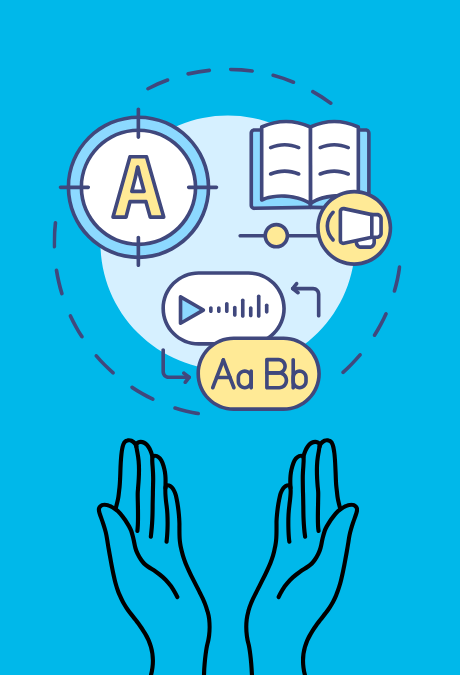
Screen readers such as JAWS and NVDA help blind and low-vision users read scriptures, follow worship materials, and learn independently. Speech-to-text tools like CART (Communication Access Real-Time Translation) provide real-time captions, allowing people who are deaf or hard of hearing to fully join in services.
Devices and apps that use augmentative and alternative communication (AAC) turn typed words or symbols into spoken language. They help people with speech disabilities share prayers, join discussions, and communicate meaningfully with others in their faith community.
Live streaming has made it easier for those who cannot attend worship in person to join remotely. Almost 90% of church leaders now stream their services or events, helping people who experience health, travel, or caregiving challenges stay connected. Many faith groups are also improving their websites to work well with screen readers and to include image descriptions and alternative text.
New AI tools are also improving accessibility in real-time. Examples include personalized worship materials, navigation apps like BlindSquare that help people find accessible seating or restrooms, and smart wheelchairs that respond to voice commands. Apps such as QuranGPT and Faith use AI to provide explanations, translations, and insights suited to each person’s learning needs, making sacred texts easier to understand.
In the future, tools like augmented and virtual reality could remove even more barriers. People who cannot travel due to disability or illness may be able to join virtual pilgrimages, explore holy places, or experience immersive worship from home.
As technology grows, faith communities have strong tools to make participation open to everyone. By using assistive and AI technologies along with accessible digital content, they can create worship spaces that truly include people with disabilities, living out the values of equality, access, and shared spiritual connection.