


Flinders University is set to make history in 2026 by launching Australia’s first Diploma of Employment Pathways, a groundbreaking program designed to create a clear and supportive route into meaningful work for people with intellectual disability. The one-year diploma combines academic study, career development, employability training, and practical work experience, offering students personalised support and opportunities to collaborate with community and industry partners as they prepare for the workforce.
The program emerges from more than two decades of inclusive education innovation at Flinders, building on the university’s renowned Up the Hill Project, which has long enabled people with intellectual disability to take part in university life. Led by Dr Fiona Rillotta, Senior Lecturer in Disability and Community Inclusion within the College of Nursing and Health Sciences, this new initiative represents a major step forward for higher education inclusion in Australia.
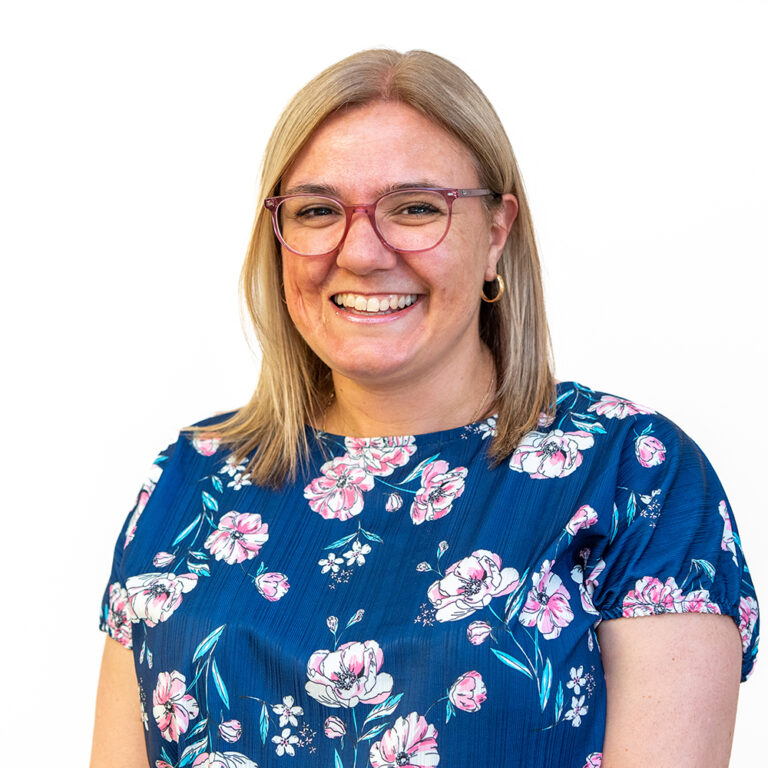
Dr Rillotta describes the diploma as a turning point for access and opportunity. “This is the first university-level qualification in the country designed specifically for people with intellectual disability,” she explains. “It’s about more than finding employment—it’s about building fulfilling careers. Education is a human right, and this diploma affirms that everyone deserves the chance to continue learning after school and to share their talents in the workplace.”
Developed in partnership with lived experience advisors, the diploma blends existing university subjects with new topics crafted to strengthen learning and workplace skills. Entry to the program is designed to be inclusive and holistic, assessed through a portfolio and interview rather than traditional ATAR requirements.
The new diploma extends the legacy of the Up the Hill Project, which for 26 years has helped participants engage in university study but did not previously confer a formal qualification. Many students have already completed subjects in areas such as nursing, anatomy, and exercise science, highlighting what’s possible through inclusive education. With the new diploma, Flinders aims to transform these experiences into qualifications that can open doors to lasting employment.
Dr Rillotta’s long-term research into the Up the Hill Project has explored why students with intellectual disability choose tertiary education and how it benefits them and their peers. Her findings demonstrate that supportive systems not only enable success for these students but improve accessibility for all learners. The new diploma, she says, will serve both students and the broader education sector by offering an evidence-based model that other universities across Australia can adopt to make higher education truly inclusive.
The first cohort in 2026 will welcome a diverse group of students, including school leavers, former Up the Hill participants seeking formal recognition, and candidates referred through partner organisations such as Community Bridging Services (CBS) and the South Australian Council on Intellectual Disability (SACID). Dr Rillotta sees this as the beginning of a wider movement. “This new program marks the start of real change,” she says. “Through this diploma, we hope to inspire universities nationwide to open their doors more widely and support people with intellectual disability to pursue higher education and meaningful careers.”