
Imagine 1.2 million adults in the UK – over 2% of us – wandering a media landscape where no major news outlet even glances their way. That is the stark reality for people with learning disabilities, as flagged by Mencap. Last year, during my Reuters Institute fellowship, I dove into their world: chatting one-on-one, sifting through research, spotlighting global “easy news” experiments, and gathering 31 voices from England and Wales in lively panel talks. What I uncovered was not some fringe issue. It was journalism’s glaring blind spot – and a golden chance for public media to step up, grow more inclusive, and truly matter. At heart, it boils down to this tough question: How can news claim to champion the public good while shutting out a million lives from real understanding?
Picture this: Folks with learning disabilities devour media voraciously, yet mainstream news slips through their fingers. Back in 2005, BBC research revealed three-quarters tuned into TV bulletins, but frustration ruled – nearly half tripped over strange words, a third could not keep up with the pace, and many reeled from info overload, context gaps, or raw emotional punches.
Two decades on, the echoes persist. In fresh BBC groups and my own interviews, the same heartaches surfaced:
“It was too quick to understand everything at once.” – Harry
“They used some words that I did not understand.” – Andrew
“A lot of news seems like it is made to distress people, made to make people scared.” – Mo
News did not just confuse; it overwhelmed, sparking anxiety from half-grasped stories without endings. Families even stepped in, shielding loved ones from the upset. Yet amid the struggle burned a fierce hunger to connect:
“I do like watching the news. I find it quite interesting, the whole of the world and the country.” – Lucy
“I would like to be able to understand and contribute to more conversations that are happening around me.” – Eliph
“Everyone should have their own way of reading the news and understanding the news.” – Josh
Interest? Overflowing. Access? Nonexistent. And that is no small thing. News is not mere facts – it is the scaffolding of democracy, belonging, and shared reality. Lock people out, and you bar them from the debates, culture, and politics that shape us all.
Lessons from Abroad: Sparks of Change
The UK lags, but trailblazers elsewhere light the path. In Germany and Austria, public broadcasters like Tagesschau and ORF deliver daily TV news in plain language – slower, simpler, woven right into prime schedules, no side-show status.
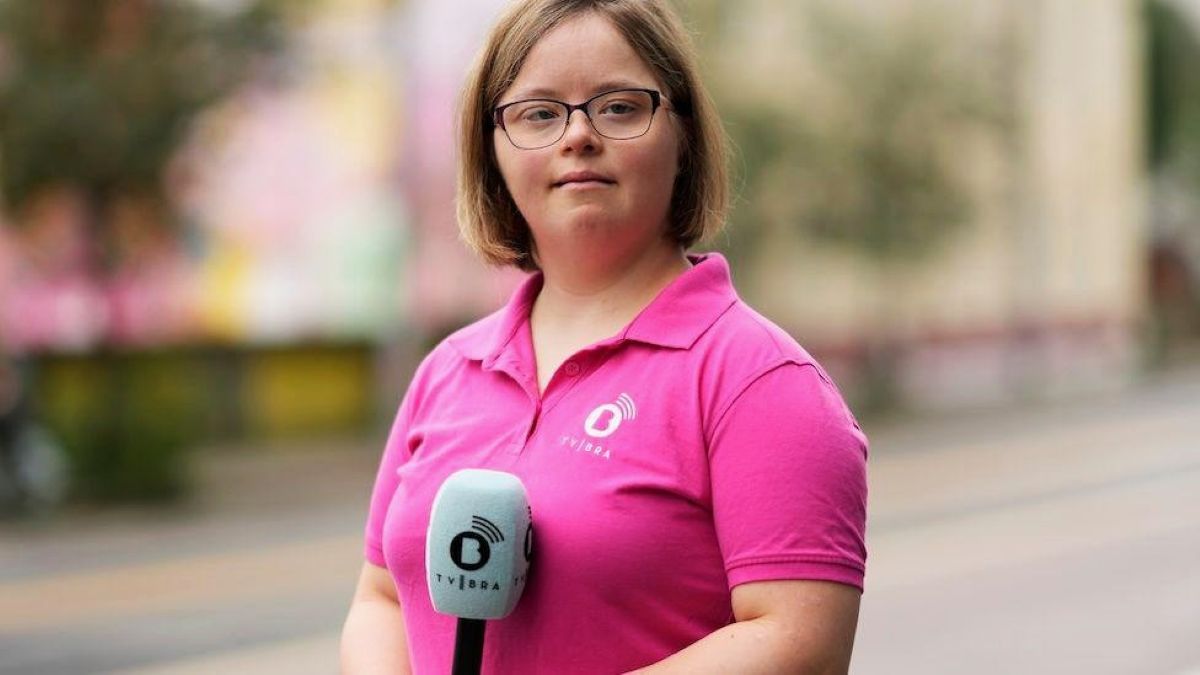
Norway’s TV Bra, a nonprofit gem, flips the script: Reporters with learning disabilities and autism craft weekly magazines, from neighbourhood tales to national politics. They are not just viewers – they are the storytellers.
Closer to home, Yorkshire’s People First podcast thrives on self-led interviews and bold choices by its learning-disabled creators. Stateside, ProPublica‘s deep dive into disability services spawned accessible spins, live events, and the Plain Truth Project – a hub for media insights, best practices, and bold advocacy.
These stories vary wildly in style and scale, yet whisper the same truths: Easy news works. It elevates, never dumbs down. It thrives through access, voices at the table, hands-on roles – or all of it. As Germany’s Sonja Wielow shares, “People value that we take them seriously. And they are interested in politics, they are interested in international affairs, they are interested in climate change and sport – and all the usual stuff.”
Voices from the Room: What They Crave
To build with, not for, I hosted five panels with people who live this daily – screening global clips, listening hard. No tidy wishlist emerged, just rich, clashing dreams:
Serious yet warm.
Quick hits plus deep dives.
Straight facts laced with how-tos.
Access paired with on-screen faces and input.
Special spots, minus isolation.
“It can be fun and friendly, but sometimes serious as well.” – Nancy
“It needs to have a balance… you want it to be friendly, but you want it to match the world. You do not want to turn it into a joke.” – Kumudu
Above all, they yearned for news that did not just report – but unpacked, empowered, sparked action. It is less about word tweaks, more about a journalist’s heart.
The Reckoning Ahead
Crafting clearer news? That’s journalism leveled up—deeper digs, sharper explanations, broader “who’s this for?” thinking. Sure, tech helps, but culture’s the crux. We have long prized speed, insider lingo, and snap assumptions that sideline not just learning disabilities, but dementia, low literacy, brain injuries, non-native speakers.
Redesign for clarity? You do not shrink the crowd – you explode it. Public giants like the BBC, bound by charters for universal reach and democracy, have no excuse – yet this group stays ghostly in their feeds. (The report packs fixes.)
So, the real pivot: Will newsrooms own this? It demands seeing these 1.2 million as core fans, funding fresh formats, looping in lived experts, embracing new sounds and shapes. No core values lost – just stretched wider. The toolkit? Empathy, curiosity, crystal clarity, smart calls. Tools we already wield.
