
British Paralympian and orthopedic surgeon John McFall has made history as the first person with a physical disability cleared for a mission to the International Space Station (ISS) – a breakthrough that marks a defining moment for inclusivity in space exploration.
McFall’s journey began long before his astronaut training. At 19, a motorbike accident cost him his right leg, yet it also marked the start of a remarkable new path. He took up sprinting and went on to represent Great Britain as a decorated Paralympic athlete. Now, instead of racing down a track, he’s preparing to launch beyond Earth’s atmosphere.
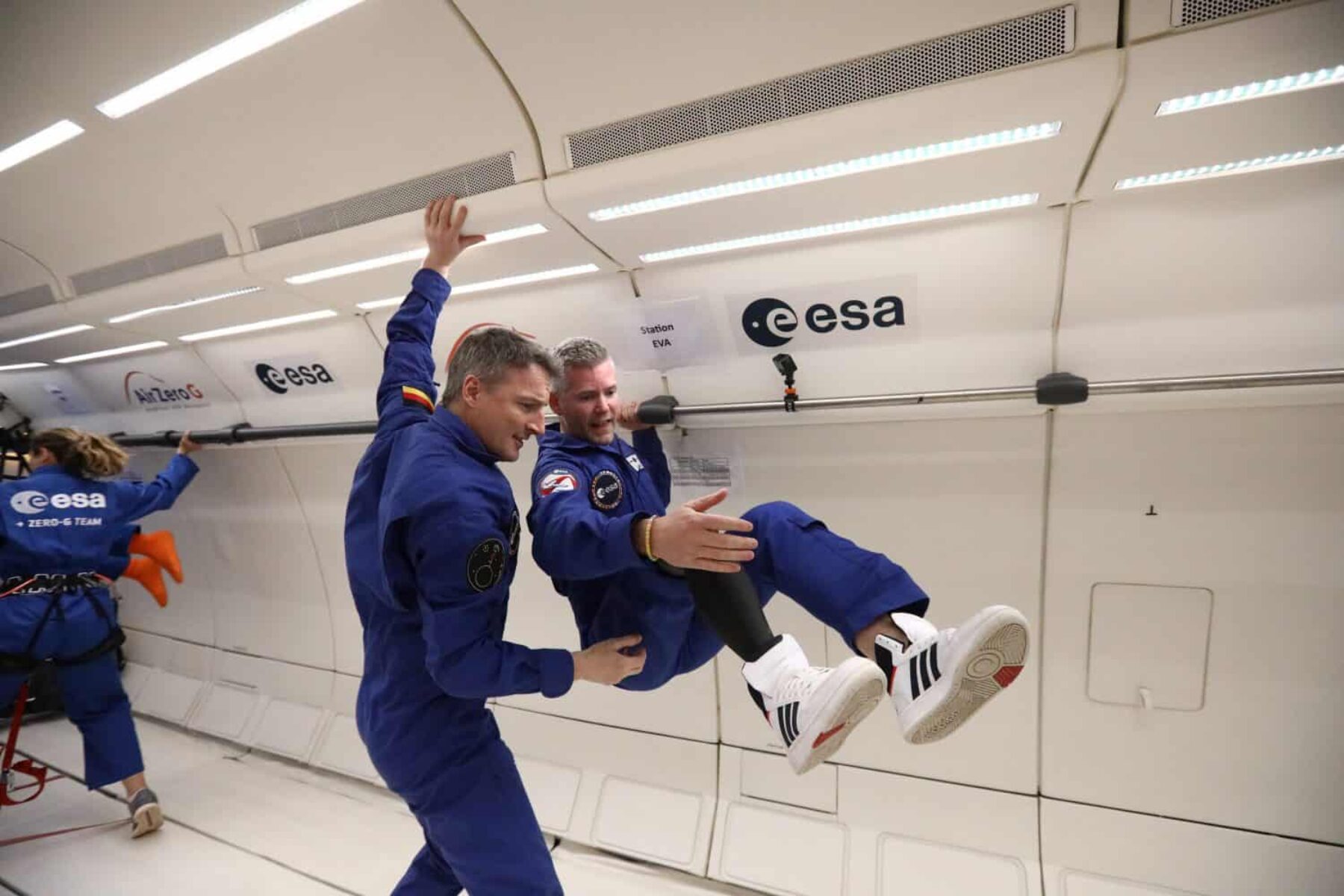
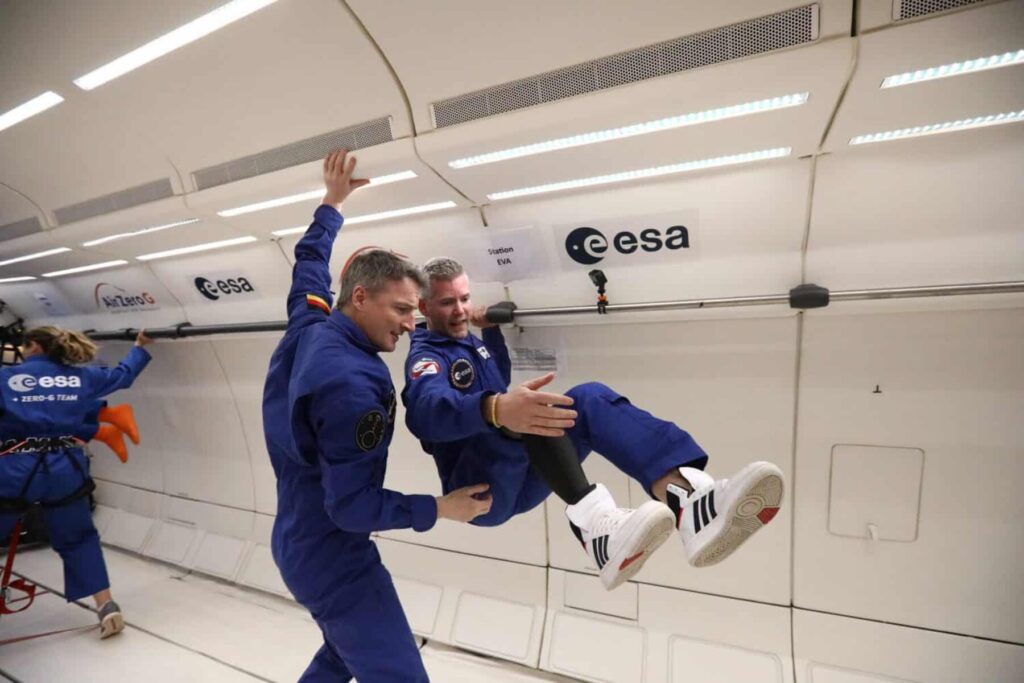
In 2022, McFall was selected from over 22,500 applicants as part of the European Space Agency’s (ESA) first new class of astronauts in more than a decade. Over the past two years, he’s worked with ESA’s pioneering Fly! program, a study designed to test whether someone with a physical disability could safely and effectively operate in space.
The results spoke for themselves. The study concluded with a resounding affirmation that it was indeed possible, paving the way for McFall’s approval to embark on a six-month ISS mission. Reflecting on the milestone, McFall said that while he feels immense pride, the achievement represents far more than personal success – it is a broader cultural shift toward inclusion and possibility.
He emphasized that astronauts not only conduct crucial research in microgravity but also advance innovations that benefit life on Earth. He hopes that his mission will inspire others and highlight how progress in space science can create real-world change.
As the Fly! program heads into its mission-ready phase, teams will focus on the scientific objectives McFall may pursue aboard the ISS and on certifying his prosthetic leg for spaceflight. Liz Johns, interim head of space exploration at the UK Space Agency, praised the effort, calling it “groundbreaking work that no other space agency has done before.”