
Please introduce yourself
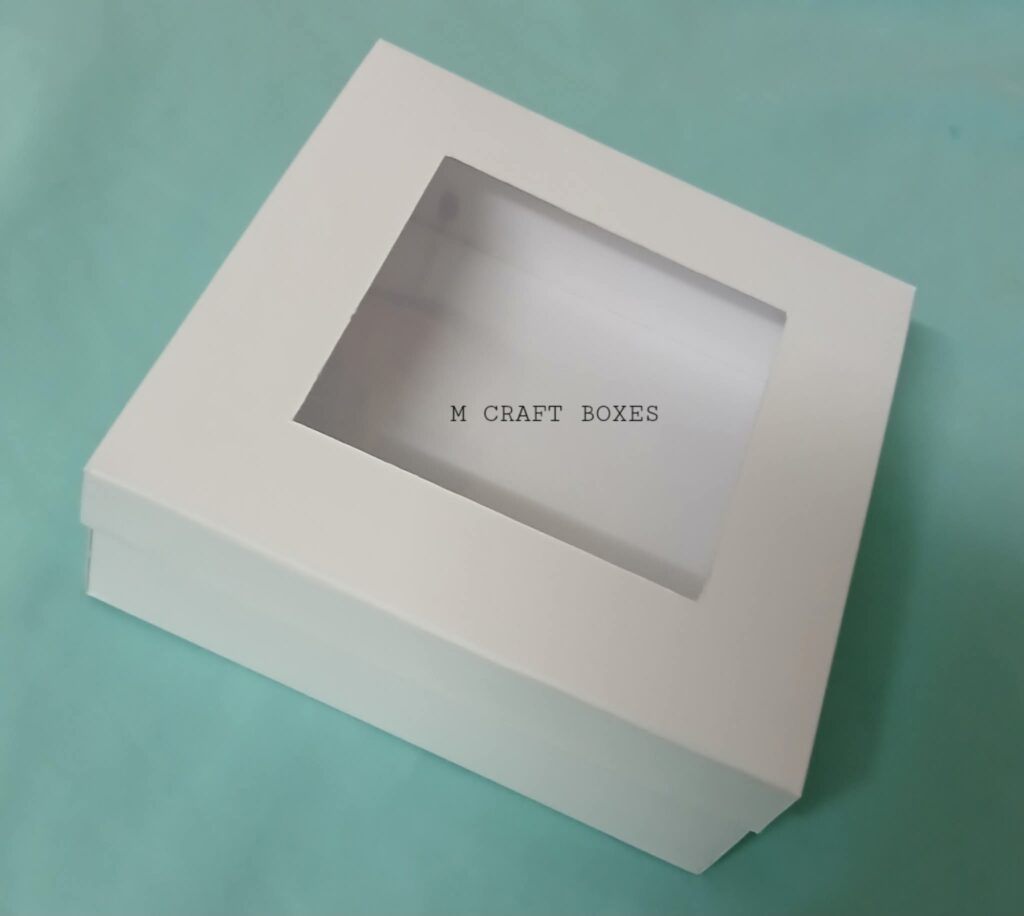
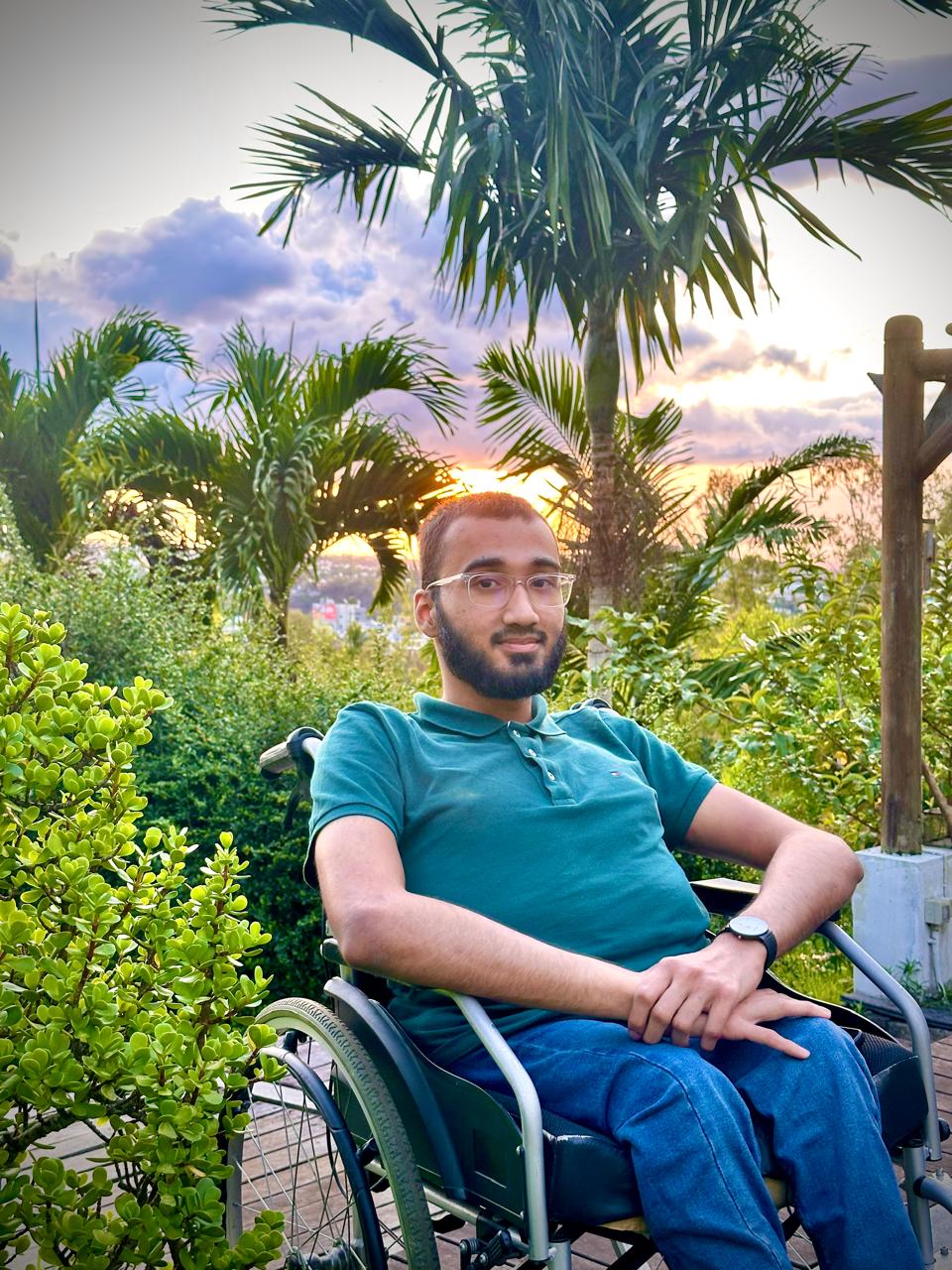
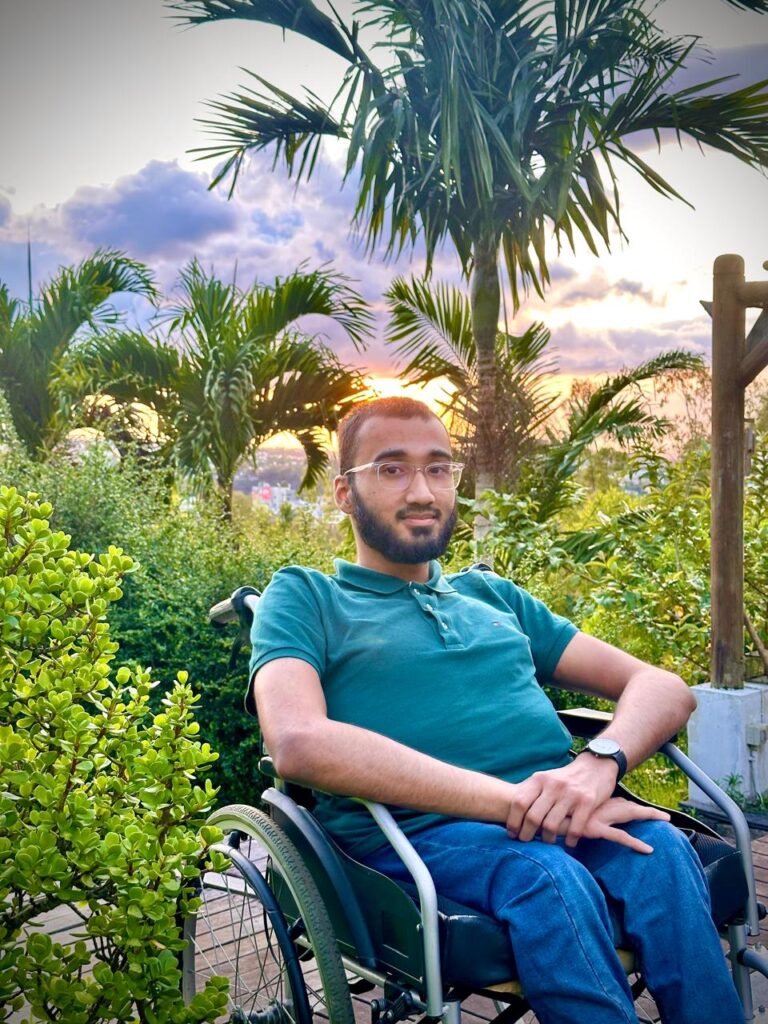
My name is Mursheed Aunowar. I am 22 years old, and I was born with hydrocephalus and spina bifida, and I use a wheelchair in my daily life. Despite my medical challenges and the constant care I require, I try to live my life with strength, dignity, and gratitude. Even with health challenges, I try to stay positive and focus on what I can contribute. I come from a modest, low-income family, but I am blessed with the love and support of my mother, father, and sister. They are my biggest strengths; my mother is my main carer, my father is my greatest supporter, and my sister always brings joy and encouragement into my life. With their support, I run a small home-based business making craft paper boxes for cake containers, which allows me to be financially independent and productive. I believe that Allah gives me the courage to face each day, and I am grateful for every blessing in my life. Even though my disability limits me from doing many things others take for granted, like walking, running, or joining social activities easily, I continue to do my best to help others, to contribute to my community, and to stay strong. Alhamdulillah for everything.
How does your disability affect your day-to-day life?
My hydrocephalus and spina bifida affect every part of my daily routine. I use a wheelchair to move around. Even sleeping is different for me than where I usually sleep on my side because sleeping on my back is uncomfortable. These needs shape how I live, move, and plan every day.
What are the biggest challenges you experience in your daily activities?
My biggest challenges include mobility, managing my medical needs, and the constant nursing and medication I require. On top of that, societal challenges, like people abusing disabled parking spaces, make it difficult to go out. Sometimes I cannot park where it is designated for people like me, and it becomes a struggle because of the carelessness or selfishness of others.
How do you overcome obstacles related to your disability?
I overcome obstacles through patience, faith, and the strong support of my family. Allah gives me courage to stay strong, and my family’s presence helps me face every challenge one by one. I try to stay positive, adapt, and focus on what I can do rather than what I cannot.
Do you feel society understands the needs of persons with disabilities?
Not fully. Some people are understanding and kind, but many still do not realise how our daily struggles look like. Simple actions like blocking disabled parking or excluding us from social gatherings show that society often lacks awareness and consideration.
What profession or job do you currently have, and how did you choose it?
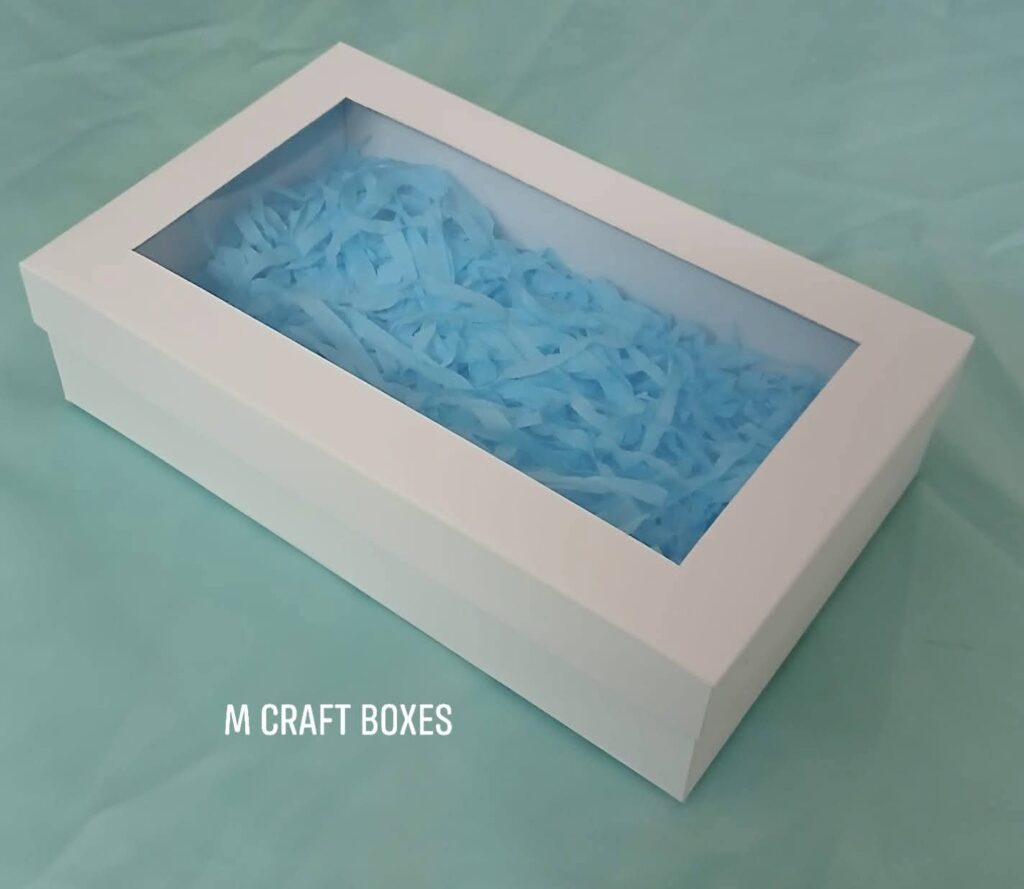
I run a small business making craft paper boxes (M Craft Boxes) for cake containers. I chose it because it allows me to work independently from home, use my creativity, and remain productive despite my physical limitations.
How does your disability impact your work life, if at all?
It impacts my energy levels, mobility, and the amount of time I can spend working each day. I must manage my medical routines throughout the day, which affects my schedule. But I do my best to balance my health and my work.
Have you experienced any barriers or support in the workplace due to your disability?
Since I work independently, I avoid many workplace-related barriers. However, obtaining the necessary supplies, managing deliveries, and dealing with accessibility when going out can still be challenging. My biggest support comes from my family, who help me with tasks I physically cannot do.
What accommodations or adjustments have helped you succeed professionally?
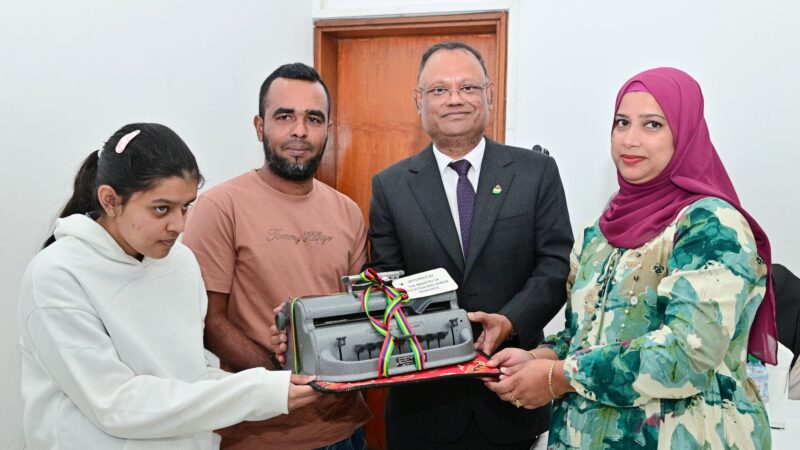
Working from home, having a flexible schedule, and using assistive tools make a huge difference. My family’s assistance is also an essential support system that allows me to keep my small business running.
What advice would you give to employers about including persons with disabilities in the workforce?
I would advise employers to focus on our abilities instead of our limitations. Provide reasonable accommodations, be patient, and involve disabled persons in decision-making. Inclusion is not charity; it is respect and fairness.
How do you personally define disability?
To me, disability is a different way of living life. It is not a weakness, but a condition that requires adaptation. A person may have limitations, but they still have value, skills, and purpose.
What is one thing you wish more people understood about living with a disability?
I wish people understood the effort, courage, and strength it takes to manage daily life. We are not seeking pity, just understanding, respect, and inclusion.
How comfortable are you discussing your disability with others?
I am comfortable discussing it when people ask with respect and genuine curiosity. Sharing my experience helps others understand, but I also value privacy and sensitivity.
How has your perception of your disability changed over time?
Over time, I have learned to accept my condition as part of my identity. What used to feel like a burden has become something I face with courage. I now see my disability as a test from Allah, but also a source of strength.
What role has community or advocacy played in your life?
Community support is important, even if I am sometimes excluded from social activities. Advocacy reminds me that people with disabilities deserve rights, accessibility, and equal opportunities. It gives me hope that society can improve.
How effective do you find current government policies related to persons with disabilities?
Some policies exist, but they are not always effectively implemented. Accessibility, healthcare support, and financial assistance could be much better. Many disabled people still struggle with basic needs.
What improvements would you like to see in the disability sector and services?
I would like to see stricter enforcement of accessibility laws, especially disabled parking. More affordable medical supplies, better home-based care services, and greater financial support for families handling long-term disabilities would make a big difference.
Are there any programs or initiatives that have made a positive impact on your life?
A few medical and community support programs have helped, but most of the impact on my life comes from my family. They are my true support system.
What should government prioritise to better support the disabled community?
Government should prioritise accessible infrastructure, affordable healthcare, financial assistance for low-income families, and employment opportunities for persons with disabilities. Education and awareness campaigns would also help change mindsets.
How do you think society can promote inclusion and accessibility more effectively?
Society can promote inclusion by being mindful, respectful, and willing to adapt. This includes respecting disabled parking spaces, making public places accessible, inviting disabled people into social activities, and treating us with dignity. Small acts of understanding can create big change.
Your message to persons with disabilities?
To everyone living with a disability, I want to speak to you with honesty and respect. You carry a strength that many people never notice because the world often sees only what it wants to see. But I hope you know that your life is not defined by limits. It is defined by the courage you show every single day, in small ways and in big ways, in moments when no one is watching and in moments when you must fight to simply be understood.
I hope you never forget that you belong here just as much as anyone else. You deserve softness, patience, and opportunities that match your talent. You deserve to take up space without having to apologise. You deserve support that uplifts you rather than pity that reduces you. And you deserve to be seen as the person you are, not for the challenges you carry.
Your resilience does not mean that you should be strong all the time. You are allowed to rest. You are allowed to struggle. You are allowed to be imperfect in a world that often pretends perfection exists. What matters is that you show up for yourself in the ways you can. That is more than enough.
Your life has meaning. Your existence brings value. Your voice matters. And the world is better because you are in it.
Mursheed business Facebook Page: https://www.facebook.com/share/162VSEsieA/